







How to Get More Google Reviews as a Roofing Contractor
How does a roofing company actually get more Google reviews?
The roofing companies pulling ahead in September 2026 aren't asking harder, they're asking sooner and more consistently. An automated text sent within a few hours of the final walkthrough, while the new roof is still the most interesting thing in the homeowner's week, converts into a review far more often than a request that arrives days later buried in an invoice email. The mechanism is timing and consistency, not a better script.
Why do roofing reviews behave differently than reviews for other trades?
Most homeowners buy a roof once every 20 to 25 years, sometimes only once in the time they own a house. There's no repeat relationship to build on the way a landscaper or a house cleaner has. A large share of roofing jobs also start with an insurance claim after storm or hail damage, which means the homeowner is stressed, dealing with an adjuster, and evaluating the roofer partly on how well they handled that process, not just the finished shingles. That combination, a once-in-a-generation purchase decided under some amount of duress, is exactly the situation where a recent, specific review carries more weight than it would for a trade the homeowner hires every year.
How many reviews does a roofing company actually need to show up in the Local Pack?
Local Falcon's whitepaper on more than 50 million search results, published in late 2025, found the median business needs about 47 reviews to rank, with profiles holding 50 or more reviews at a 4.5-star average landing in the top 3 results 57% more often than profiles below that line. Their data also found that home service categories run higher than that median: plumbers, HVAC contractors, and pest control companies sit at a median of 200 to 265 reviews. Roofing wasn't broken out as its own line in that dataset, so treat that figure as a directional signal for high-ticket home services rather than a confirmed roofing-specific benchmark. What the same research did confirm directly is that review velocity now matters as much as total count: a business with 80 reviews and 12 new ones in the last 90 days can outrank a competitor sitting on 400 that stopped coming in.
Does a higher star rating actually bring in more calls?
Yes, and the gap is larger than most contractors assume. BrightLocal's research on review ratings and search click-through found that a business earns 25% more clicks from Google's Local Pack moving from a 3-star to a 5-star average, and 39% more clicks than a 1-star competitor. Separate 2025 consumer research found only 42% of people will even consider a business rated between 3.0 and 3.9 stars, while 89% say they feel confident hiring a business rated 4.5 to 4.9. For a roofing company, where the average job runs into five figures, that swing in who even considers calling is the difference between a full crew calendar and a slow month.
| Star rating range | Share of consumers who consider hiring | Relative Local Pack attention |
|---|---|---|
| 3.0 - 3.9 stars | 42% | Lowest of the three tiers |
| 4.0 - 4.4 stars | Majority, below top tier | Moderate |
| 4.5 - 4.9 stars | 89% | Highest; 5-star profiles draw 69% of 3-Pack attention |
Figures compiled from BrightLocal's review and click-through research and separate 2025 consumer confidence survey data; sourced via brightlocal.com.
What does Google actually allow a roofer to do when asking for a review?
Asking a customer for a review is fine and expected. What Google's policy prohibits, and has started enforcing more actively, is offering any discount, gift card, or other incentive in exchange for a review, or exchange for revising or removing a negative one. A February 2026 update to Google's review policy went further, stating merchants should not require or pressure a customer to leave a rating while still on the property, which rules out the old habit of handing a customer a phone in the driveway before the crew leaves. A neutral automated message sent after the crew has left the job site, with no incentive attached, is the version that stays inside the policy and holds up if Google audits the profile.
How does licensing affect a roofer's review credibility, and does it work the same in every state?
It varies more than most roofing companies realize, and that variance is worth knowing if you operate across state lines. California requires a C-39 license from the Contractors State License Board: four years of documented experience, two state exams, and a contractor bond currently set at $15,000 for most license types. Florida requires a state-level license through the Department of Business & Professional Regulation, either a Certified Contractor credential that works statewide after passing an exam, or a Registered Contractor credential tied to a local jurisdiction's competency requirements. Texas, by contrast, has no statewide roofing license at all. The Texas Department of Licensing & Regulation doesn't administer one, and the Roofing Contractors Association of Texas runs a voluntary program instead, which means Texas homeowners lean even harder on reviews and reputation to sort a legitimate roofer from someone who bought a truck and a ladder last month.
What is review automation, and what does it cost?
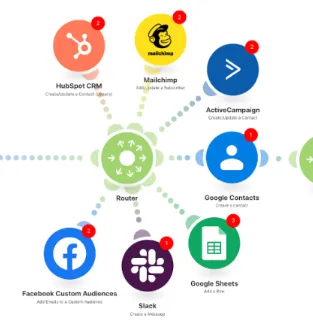
Review automation is a system that sends the review request automatically, right after a job closes, instead of relying on a crew lead or office manager to remember. Mouthpiece Interactive runs this through its Essentials plan: $297 a month plus a one-time $1,000 setup fee, built around a guarantee of 10 new reviews within 90 days or the client's money back. That is currently the only tier of the offer that is live and sellable; other tiers are planned but not yet available, so a roofing company evaluating the service today should expect Essentials, not a higher package.
Frequently asked questions
Should a roofing company ask for a review before or after the insurance claim closes?
After the physical work is done and the homeowner has seen the finished roof, even if the insurance paperwork is still being finalized. The review should reflect the roofing work and the crew's communication, not an unresolved claims process the homeowner is still frustrated about.
Can a roofing company offer a small discount for leaving a Google review?
No. Google's policy prohibits any incentive, including discounts, gift cards, or free add-ons, in exchange for a review. Businesses caught doing this risk having the reviews removed and the profile suspended.
What if a roofing job spans several weeks and the crew changes midway through?
Send the request once the full job is inspected and closed out, tied to the lead technician or project manager's name rather than any single crew member, since that is who the homeowner will remember and who the review should credit.
Does responding to negative reviews matter for a roofing company specifically?
Yes, arguably more than for lower-ticket trades, since a roofing decision is high-stakes and infrequent. A calm, specific response to a negative review, without incentive offers attached, signals to the next prospective customer how disputes get handled before they ever pick up the phone.
Is there a roofing-specific benchmark for how many reviews are enough?
Not from the primary research reviewed here. Local Falcon's 2025 data breaks out plumbers, HVAC, and pest control at a 200 to 265 review median, but roofing wasn't isolated as its own category, so any roofing-specific number should be treated as an estimate, not a confirmed figure.