




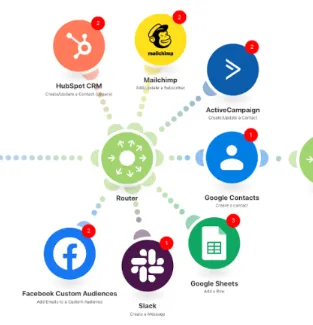





AI Lead Response and Review Automation for Austin HVAC Contractors
What Makes Review Automation Different for an Austin HVAC Contractor?
Austin's HVAC call volume spikes hard with summer heat rather than flowing steadily, so a review process that depends on someone remembering to ask loses most of a surge's eligible customers. The fix sends a review request automatically the moment a work order closes, tied to the job itself, not to whoever is in the office that day.
That timing problem is sharpest for a weather-triggered trade. An Austin HVAC company in October 2026 is coming off a summer where emergency no-cool calls crowded out routine maintenance, and a manual ask-for-a-review habit tends to lapse during exactly the weeks the most relieved customers are available to ask.
Why Does Summer Heat Drive Austin's HVAC Market?
August is Austin's hottest month on record, with an average high of 97.8°F and an average low of 75.1°F, and a typical August reaches 100°F or higher about 13 times, according to KXAN's reporting on National Weather Service normals from the Camp Mabry station. July runs close behind, averaging 9.5 to 10 days at or above 100°F under the 1990 to 2021 normals. A 2025 KXAN report put the average high across the hottest stretch, July 31 through August 14, at 99°F, with the last 100°F day of the season typically landing around August 30. For an HVAC contractor, that means the no-cool emergency calls that generate the most reviews cluster into roughly six weeks, and a system that can't keep up with that spike loses review volume it will not get back until the following summer.
Winter adds a smaller, sharper second spike. Winter Storm Uri in February 2021 caused widespread heating failures across Central Texas, and a milder event, Winter Storm Fern in January 2026, still pushed ERCOT to ask Texans to conserve energy twice even though the statewide grid held up better than in 2021, per coverage from Inside Climate News. Austin homes built for cooling tend to run undersized or aging furnace and heat-pump components that fail during a hard freeze, creating a short, intense burst of heating calls most Austin HVAC companies aren't staffed for in a normal January.
What's the Licensing Reality for HVAC Contractors in Texas?
Texas requires a state contractor license for air conditioning and refrigeration work, issued by the Texas Department of Licensing and Regulation under Occupations Code Chapter 1302. TDLR issues two classes: Class A, with no limit on equipment size, and Class B, capped at cooling systems of 25 tons or less and heating systems of 1.5 million BTU per hour or less. Every applicant must be at least 18, hold a valid Social Security Number, and pass a mandatory criminal history check; Texas sets no residency requirement.
The experience path to that license is where sources disagree, so an Austin contractor should confirm directly with TDLR rather than take either figure on faith. One licensing guide describes 48 months of experience under a licensed contractor, completed within the past 72 months. A separate guide describes an alternative route built around a TDLR-approved training program totaling 2,000 hours of combined instruction and practical work within four years. We could not confirm from TDLR's own site which description is current. Every contractor, regardless of path, also needs the federal EPA Section 608 certification to handle refrigerant, and proof of insurance is part of the application.
Austin layers a city-level step on top of the state license. Full system replacements, new ductwork, and HVAC-related electrical work all require a mechanical permit through the city's Development Services Department, and contractors must first register through the Austin Build + Connect portal. TDLR can be reached at (512) 463-6599, or through tdlr.texas.gov/acr.
Which Austin Corridors Keep HVAC Contractors Busiest?
Hyde Park and Allandale, both built up well before Austin's most recent growth wave, carry older, often single-zone systems that get pushed past their design life every time a heat wave stretches past a week, which makes them a steady source of full-replacement calls rather than simple repairs. Westlake and the Barton Hills and Davenport Ranch area sit on larger custom homes that typically run multi-zone systems, so a single service call there tends to turn into a bigger maintenance-contract conversation than a one-system repair in a smaller central Austin home. The Round Rock, Cedar Park, Pflugerville and Georgetown corridor is still adding new construction fast enough that most of its HVAC stock is under five years old, which shifts the opportunity there toward maintenance-plan enrollment and warranty-covered service rather than replacement.
How Hot Does Austin Actually Get Each Summer?
| Period | Average high | Detail |
|---|---|---|
| July | ~95°F | 9.5 to 10 days at or above 100°F (1990–2021 normals) |
| August | 97.8°F | Average low 75.1°F; about 13 days at or above 100°F |
| Jul 31 to Aug 14 (peak stretch) | 99°F | Hottest two-week window, per 2025 KXAN report; last 100°F day typically falls around Aug 30 |
These figures come from KXAN's reporting on National Weather Service Camp Mabry station normals, not an insurance or engineering model. The gap between a 99°F average high at the peak of summer and the mild winter spikes that follow a true cold front is the reason an Austin HVAC company's review volume can't be planned around a flat monthly average. Most of a year's no-cool emergency calls, and the reviews that follow them, land inside about six weeks centered on late July and early August.
What Should a Review Request Look Like After an AC Repair?
The request should go out a few hours after the technician leaves, once the homeowner has had time to confirm the system is actually holding a cold temperature, not the minute the truck pulls away. Sending it too early catches customers before they know whether the fix worked, and a repair that fails overnight generates a worse review than no request at all. An AI layer should also read a negative reply before it posts. During a heat-wave surge, a lot of customer frustration is about how long they waited for a callback, not the repair itself, and that complaint should route privately to the owner instead of becoming a public one-star review about wait times a solo crew couldn't control during the week everyone's AC failed at once.
What Does the Essentials Plan Include for Austin HVAC Contractors?
Mouthpiece Interactive's Essentials plan is $297 a month plus a one-time $1,000 setup fee. It pairs AI lead response and appointment setting, so a no-cool call during a July heat wave gets answered in seconds instead of sitting in a voicemail queue behind forty other calls, with automated review requests tied to job completion. The plan is built to produce 10 new reviews in the first 90 days or the setup fee is refunded. Essentials is the only tier currently live and sellable. Higher tiers are planned for later but are not operational in October 2026, so they are not sold or described as available yet. A contractor who needs full technician dispatch and job scheduling on top of review generation should look at a dedicated field service platform like Housecall Pro or ServiceTitan, since Essentials is built narrowly around lead response and reviews rather than running a whole dispatch board.
Frequently Asked Questions
Does Texas require a license for HVAC contractors working in Austin?
Yes. TDLR issues a Class A or Class B Air Conditioning and Refrigeration Contractor License under state law, and every applicant needs the separate federal EPA Section 608 refrigerant certification regardless of license class.
When does Austin's HVAC demand peak each year?
Roughly late July through mid-August, when the average high reaches 99°F at the hottest stretch, per KXAN's reporting on National Weather Service normals, with a smaller, sharper demand spike during rare winter freezes like 2021's Winter Storm Uri.
What permit does a full AC system replacement need in Austin?
A mechanical permit from the city's Development Services Department, which requires the contractor to first register through the Austin Build + Connect portal before pulling the permit.
Should a review request go out the moment a technician leaves?
No. Waiting a few hours lets the homeowner confirm the system is actually holding temperature, which avoids a review request landing right before an overnight failure the crew has to come back for.
What does the Essentials plan guarantee?
Ten new reviews within 90 days of setup, or the $1,000 setup fee is refunded, on top of the $297 monthly AI lead response and review automation service.