









AI Lead Response and Review Automation for St. Louis HVAC Contractors
What does AI review and lead response automation cost for a St. Louis HVAC company?
The Essentials plan runs $297 a month plus a $1,000 one-time setup fee, and Mouthpiece Interactive guarantees 10 new Google reviews in the first 90 days or the setup fee is refunded. It answers inbound calls and web leads within minutes, texts every completed job for a review request, and routes the response to Google. This is built for HVAC contractors working St. Louis's two-season workload: AC calls in July, furnace calls in January, and a lot of missed calls in between.
Why does an HVAC company in St. Louis need both an AC season and a furnace season plan?
St. Louis sits where a humid continental climate meets humid subtropical air, and the result is a full swing in both directions: July highs average around 89°F with the kind of humidity that pushes AC systems to run near-constant, while January lows average near 24°F and bring the city's coldest, often snowiest stretch of the year. That combination means an HVAC company here isn't a seasonal business twice removed, it's two seasonal businesses stacked on the same crew and the same phone line. A contractor who only staffs up for summer AC calls misses the January furnace-down emergencies that convert at a much higher rate, and vice versa.
Ameren Missouri's residential rates add pressure on both ends. The average Ameren summer bill rose 34.5 percent between 2020 and 2025, and a rate case moving through 2026 has added roughly $14 a month for the average residential customer. As of September 2026, Missouri electricity averages 16.22 cents per kWh, which is about 12 percent below the national average, but St. Louis homeowners are still opening bills that are visibly higher than a few summers ago. That's driving more efficiency-tune-up and heat pump inquiry calls, and those calls go to whoever answers first, not whoever has the best truck wrap.
What does HVAC licensing actually require in St. Louis?
Missouri has no statewide HVAC license, so the requirement lives at the local level. In St. Louis County, mechanical contractors apply through the Department of Public Works in Clayton, pay a $45 application fee, and must document four years of HVAC or mechanical experience before sitting for the exam. St. Louis City runs its own licensing process. Either way, a homeowner searching "HVAC contractor St. Louis" after a bad service call is often specifically checking for local licensing, not just a state badge, because the two-jurisdiction system here trips up out-of-area companies that assume one Missouri license covers the whole metro.
| Season | Typical St. Louis conditions | What homeowners call about |
|---|---|---|
| Summer (Jun–Aug) | Highs near 89°F, high humidity | AC failure, no cooling, high Ameren bills |
| Winter (Dec–Feb) | Lows near 24°F, snow likely Jan–Feb | Furnace failure, no heat, frozen pipes near ductwork |
| Shoulder (Spring/Fall) | Wide swings, storm fronts | Tune-ups, duct inspection, system replacement quotes |
That table is also why review timing matters more here than in a single-season market. A company that only collects reviews after summer AC installs builds a review profile that goes quiet every winter, and Google's algorithm reads a stale review stream as a sign the business slowed down, whether it did or not.
Which St. Louis neighborhoods and corridors matter most for HVAC work?
The Central West End's older mansion-district homes, many with retrofitted or zoned systems, generate a steady stream of repair and modernization calls rather than simple swap-outs. Dogtown and The Hill, dense with older bungalows and narrow lots, often need ductless mini-split consultations because there's no attic run for traditional ductwork. Out in the inner-ring suburbs, Kirkwood and Webster Groves carry a mix of postwar housing stock where straightforward furnace and AC replacement is the bulk of the call volume. A contractor's marketing and review requests should reflect that this isn't one job type repeated 150 times, it's three different conversations depending on where the truck is parked.
How does this system actually work?
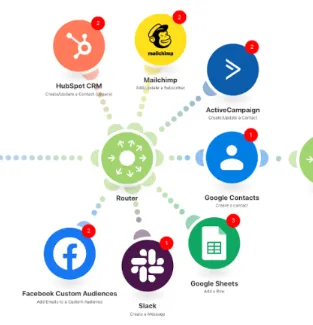
When a lead calls or fills out a form, the system responds within minutes by text or call, day or night, so a Saturday evening no-heat call in Webster Groves doesn't sit until Monday. After a job is marked complete, the customer gets a short text asking for a Google review, with a direct link that skips the extra steps that make most review requests die in someone's inbox. It doesn't write reviews, invent testimonials, or generate five-star ratings out of nowhere. It just removes the friction between a satisfied customer and the two minutes it takes them to leave a review, which is where most HVAC companies lose the opportunity entirely.
Frequently asked questions
Is a heat pump worth installing given Missouri's cold winters?
Heat pumps handle St. Louis's summer cooling load well and can cover most of the winter heating load too, though many installers here pair them with backup electric or gas heat for the coldest January stretches. The right call depends on the home's insulation and existing ductwork, which is a site-visit question, not a blanket answer.
Do I need a permit to replace a furnace in St. Louis County?
Mechanical work typically requires a permit pulled by a licensed contractor, which is one more reason homeowners are wary of unlicensed or out-of-area companies. Contractors should confirm current permit requirements with St. Louis County's Department of Public Works before quoting replacement work.
Why did my Ameren bill spike this summer?
Ameren Missouri's residential rates have climbed significantly since 2020, with a 34.5 percent rise in average summer bills between 2020 and 2025 and further increases moving through 2026. An aging or undersized AC system running longer cycles in St. Louis humidity compounds that rate increase.
How fast should an HVAC company respond to an emergency call?
Within minutes, not hours. A no-heat call in January or a no-AC call in a July heat wave is time-sensitive, and the first company to respond usually gets the job regardless of who was contacted first.
What this means for your review profile
An HVAC company that consistently converts finished jobs into reviews across both summer and winter builds a profile that looks active year-round, which is exactly what Google's local ranking factors reward and what a homeowner comparing three contractors on a Sunday afternoon in September 2026 is actually looking at. The Essentials plan is built to keep that stream from going quiet between seasons, with the same 10-reviews-in-90-days guarantee that applies across every Mouthpiece Interactive market.
Sources: climate data from Climates to Travel and BestPlaces; Missouri HVAC licensing from Contractor License Requirements and Housecall Pro; Ameren rate data from Missouri Independent and Electric Choice. Exact 2026 rate-case figures and city-specific permit fees could not be independently verified beyond these secondary sources and should be confirmed directly with Ameren Missouri and St. Louis County before quoting to a client.