








The Quote Follow-Up Sequence That Closes Stalled Estimates
What is a quote follow-up sequence that closes stalled estimates?
A quote follow-up sequence is a fixed schedule of texts, emails, and one phone call sent after you hand over a price: day zero, day 1, day 3, day 7, and day 14. It closes stalled estimates because most quotes die from silence, not a real no, and a written schedule removes the guesswork of when to check back in.
Why do most estimates go cold instead of getting rejected?
Homeowners rarely call to reject a bid. They get the number, get busy, and the conversation stops without a word. The Brevet Group's sales research found that 80 percent of sales require five or more follow-up contacts, yet 44 percent of salespeople give up after a single attempt. RAIN Group's prospecting research lands on the same figure from a different angle: buyers say no an average of four times before they say yes, and most reps quit before the fifth ask.
That gap between what closing actually takes and what a busy owner or a one-person sales team has time for is where jobs go missing. Not on price. Not on the work itself. On a follow-up that never happened.
How many follow-ups does it actually take to win a stalled quote?
Five is the number that shows up across the research, spread over roughly two weeks rather than crammed into two days. A text the day you send the quote counts as one touch. A recap email the next day counts as another. Most owners stop at one or two of these and assume the customer went with someone else. As of August 2026, the businesses seeing the best recovery rates on old estimates are the ones running the full five-touch window before writing a lead off, the same logic behind reviving dead leads sitting in a CRM.
What does a 14-day quote follow-up sequence look like?
Below is a sequence built for a single trade or service quote, adaptable to a listing prep estimate or a repair bid alike.
| Day | Channel | Goal of the message |
|---|---|---|
| Day 0 | Text | Confirm the quote arrived and invite questions |
| Day 1 | Recap scope and price in writing, no pressure | |
| Day 3 | Text | Short check-in, one open question |
| Day 7 | Phone call | Talk through objections directly |
| Day 14 | Final note with availability or a smaller option |
Each step has one job. The day 0 text stops the quote from getting buried under other messages. The day 7 call is the one that matters most, since it is the only two-way conversation in the sequence and the point where most stalled decisions actually move.
Should you follow up by text, email, or phone?
Use all three, and let each one do what it is best at. Text gets read fastest, often within minutes, which makes it right for quick confirmations and short nudges. Email holds the details, like scope and price, in a form the customer can reread before deciding. A phone call is the only channel that lets you hear hesitation and respond to it in the moment, which is why it belongs in the middle of the sequence rather than the end.
Response speed still matters here the way it does for any inbound lead. The same research behind how fast reply times decide which leads convert applies to a bid sitting untouched for two weeks. Late beats never, but on time beats both.
What do you say so it doesn't sound pushy?
Skip the discount offers and the artificial deadlines. A day 3 text that reads "Any questions on the estimate I sent Tuesday?" does more work than one that reads "Don't miss out, book this week." The first sounds like a person doing their job. The second sounds like a sales script, and customers notice the difference immediately.
Keep the day 14 message useful rather than desperate. Offer a smaller version of the job or a different start date, or simply confirm the quote is still valid. A customer who was never going to buy ignores all five touches at no cost to you. A customer who was quietly deciding gets exactly the nudge that closes the job.
Frequently asked questions
How soon should the first follow-up go out after sending a quote?
Same day, ideally within a few hours. A short text confirming the quote arrived and asking if anything needs explaining keeps the conversation open before the customer starts comparing other bids.
Does texting actually outperform email for quote follow-up?
For speed, yes. Texts get opened far faster than email. For detail, email wins, since price and scope belong in writing a customer can reread. The sequence works because it uses both, not because one replaces the other.
What if the customer says they are still deciding?
Ask a specific question rather than checking in again blindly, like whether the timeline moved or price is the real holdup. A specific question gets a real answer more often than a generic check-in.
Can this run without hiring someone to manage it?
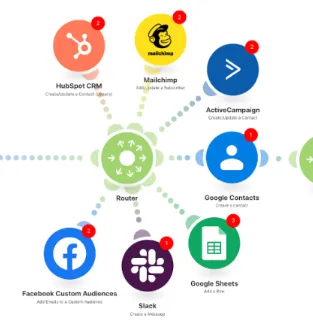
Yes. A CRM workflow can send the day 0, day 1, day 3, and day 14 touches automatically, leaving only the day 7 call for a person to make. That one call is the highest-value five minutes in the whole sequence.
How long should a sequence run before writing off the lead?
Fourteen days covers the five touches the research points to. Beyond that, a quarterly check-in is enough. Estimates that go cold for a season sometimes come back once a customer's timeline finally opens up.
Want the full sequence built out with ready-to-send scripts and the automation behind it? Grab the AI follow-up playbook for the complete version.